Golden Lane Estate wedding flowers real job before and after
Posted on 20/10/2026
If you are researching Golden Lane Estate wedding flowers real job before and after, chances are you want something more useful than glossy inspiration boards. You want to know what actually happens on the day, how flowers change the look and feel of the space, and what a real wedding floral setup looks like before the first stem goes in and after everything is dressed. Fair enough. That is the kind of detail that helps you decide what is worth paying for, what can be simplified, and where you need a florist who really understands the venue.
Golden Lane Estate has a character of its own. The architecture is bold, the setting is urban, and the right flowers can soften, lift, or completely transform the atmosphere without fighting the space. In this guide, we walk through the practical side of wedding flowers at Golden Lane Estate, from planning and delivery to styling, pitfalls, and what the finished result can feel like in real life. You will also find a checklist, a comparison table, and a realistic view of what tends to work best. Let's get into it.

Why Golden Lane Estate wedding flowers real job before and after Matters
The phrase "before and after" is doing a lot of work here. Before means the venue in its natural state: tables bare, ceremony spaces open, delivery boxes waiting, and the building doing its own thing visually. After means the finished wedding setting, where flowers change the mood, direct attention, frame photos, and make the day feel deliberate rather than improvised.
At Golden Lane Estate, this matters even more because the venue itself is distinctive. Clean lines, strong geometry, and modernist surroundings can look beautiful, but they need the right floral language. Go too small and the flowers disappear. Go too heavy and the arrangement can feel like it is arguing with the architecture. The sweet spot is balance.
A real job is also about logistics, not just design. Did the flowers arrive on time? Were they suitable for the room temperature? Could the arrangements be moved from ceremony to reception without falling apart? Was the bridal bouquet easy to carry? These are the sorts of practical details people only notice when they go wrong. And honestly, nobody wants a lovely bouquet that starts collapsing before the photographer has even found the light.
For couples, planners, and families, understanding the before-and-after process helps you see where value comes from. It shows what a florist actually does, beyond handing over pretty stems. It also makes it easier to compare providers, because the best wedding florist is not only making something beautiful, they are solving problems quietly in the background.
How Golden Lane Estate wedding flowers real job before and after Works
In simple terms, the process starts with the venue, the schedule, and the floral brief. A florist looks at the space, the wedding style, the season, and the practical constraints: access, setup time, transport, water supply, and whether items need to survive a ceremony, drinks reception, dinner, and later photos. Then the design is built around those realities.
At Golden Lane Estate, a well-planned floral job often includes a mix of personal items and room-dressing pieces. The personal items may include bridal bouquets, bridesmaid bouquets, buttonholes, corsages, and maybe a bouquet for family photos. The venue flowers may include table arrangements, ceremony focal pieces, entrance florals, or a few strategic arrangements that create impact without overcrowding the site.
Here is what "before and after" usually looks like in practice:
- Before: floral mechanics, water sources, containers, transport boxes, and a venue space that looks clean but plain.
- During setup: stems are conditioned, arrangements are placed, heights are adjusted, and compositions are checked against the room.
- After: the same area feels warmer, more intimate, more polished, and much more photogenic.
In our experience, the best transformations are not always the biggest ones. Sometimes a handful of well-placed arrangements and a cohesive bouquet palette make a stronger impression than filling every surface. That is especially true in venues where the architecture already brings plenty of visual interest.
If you are still choosing a florist, you may want to look at a dedicated wedding flowers Barbican EC2Y page for local style cues, or browse the broader weddings collection to see how different wedding flower pieces can work together.
Key Benefits and Practical Advantages
The best wedding flowers do more than look nice in photos. They shape the whole day. At Golden Lane Estate, that can mean softer transitions between indoor and outdoor moments, a warmer feel in a modern setting, and a visual thread that ties the outfit choices, tables, and ceremony together.
Practical benefits include:
- Better visual cohesion: colours and textures help everything feel intentional.
- Stronger photos: flowers create foreground, framing, and focal points that make images feel richer.
- Clearer atmosphere: guests instantly feel the tone of the day, whether classic, romantic, modern, or relaxed.
- Flexible styling: a smart floral plan can move from ceremony to reception with minimal fuss.
- Personal expression: the bouquet and arrangement style tell guests something about the couple without a single speech.
There is also a quieter benefit people underestimate: calm. When the flowers are handled properly, everything else seems easier. The room feels ready. The photographs work. The couple stops worrying about whether the space feels "finished." That matters, especially on a wedding morning when time runs oddly fast and everyone is drinking tea or coffee at slightly too quick a pace.
For practical add-ons and nearby delivery planning, some couples use a local service like flower delivery Barbican EC2Y for smaller items or extra stems, and flower care guidance helps keep arrangements looking fresh through the day.
Who This Is For and When It Makes Sense
This kind of floral planning makes sense for couples who want the wedding to look polished without wasting budget on unnecessary excess. It is also a strong fit for anyone marrying in a venue with distinctive architecture, because those spaces reward thoughtful design rather than over-decoration.
You may especially need this approach if:
- you want the venue to look softer and more romantic without hiding its character;
- you are working to a realistic budget and need the flowers to pull their weight;
- you care about photography and want strong visual impact in every frame;
- you need arrangements that are easy to move or repurpose during the day;
- you are planning from outside the immediate area and need a florist who understands local logistics.
It also suits people who simply want reassurance. Let's face it, wedding planning can become a strange mix of joy and minor panic. The flowers are one of those visible details where confidence really matters. If the florist knows what they are doing, that confidence spreads through the whole schedule.
If you are comparing local options, a trusted florist in Barbican EC2Y can be a sensible starting point for venue-aware advice and delivery timing.
Step-by-Step Guidance
Here is a realistic step-by-step view of how a wedding flower job for Golden Lane Estate usually comes together.
- Define the feeling, not just the colours. Think about mood first: soft and airy, rich and dramatic, clean and modern, or garden-style and romantic.
- Map the spaces that matter. Ceremony focal point, aisle, aisle exit, reception tables, welcome area, cake table, and photo spots.
- Choose the hero items. For many weddings, this means the bridal bouquet, bridesmaid bouquets, buttonholes, and the main table or ceremony arrangements.
- Check the venue rules and access. Ask about delivery windows, setup access, parking/loading, and whether anything must be removed quickly after the event.
- Pick flowers that suit the season and conditions. Some blooms are more reliable than others in warmer rooms or long celebrations.
- Decide what can be reused. A ceremony arrangement that becomes a reception display is usually better value than buying separate pieces for every space.
- Review a sample or reference image. Real photos help. A lot. Screenshots are fine, even if they are a bit chaotic on your phone.
- Confirm the day plan. Who is receiving the flowers? Where are they stored? What time are buttonholes pinned? Who moves arrangements after the ceremony?
- Inspect the setup before guests arrive. You should see tidy mechanics, clean presentation, and flowers placed where they actually improve the room.
The best way to think about this is simple: before is planning, after is the payoff. The florist bridges the two. A good one keeps the logistics invisible and the result calm, balanced, and lovely.
Expert Tips for Better Results
Here is where experience really shows. A few small choices often make a much bigger difference than people expect.
- Match scale to the venue. Golden Lane Estate can take structured, elegant pieces, but the proportions still need care.
- Use texture, not just colour. Roses, lisianthus, orchids, hydrangea, and seasonal foliage create depth without making the palette busy.
- Keep the bouquet comfortable. A bridal bouquet should look refined and still be manageable after 30 minutes of holding it and smiling. Harder than it sounds.
- Plan for photos in natural light and artificial light. Some flowers read differently once the room lighting changes later in the day.
- Ask about water and conditioning. Freshly cut stems do better when they are properly prepared and transported with care.
- Build around one or two strong focal points. A single memorable arrangement often does more than scattered mini displays.
A useful practical example: if the ceremony room is already visually strong, use the flowers to soften edges rather than compete with them. Think of them as the finishing note, not the whole orchestra. That said, if the couple wants drama, you can still create it - just do it with discipline.
One slightly old-school but reliable tip: ask to see examples from similar indoor London venues, not just generic wedding shoots. It is a much better predictor of how the flowers will behave in real life.
Common Mistakes to Avoid
Many disappointing wedding flower results come down to avoidable decisions rather than bad taste. The design itself may be lovely on paper, but the execution gets lost in the rush.
- Ignoring the venue's proportions. Tiny arrangements in a substantial space can look accidental.
- Overfilling every surface. More is not always better. Sometimes it just feels crowded.
- Choosing flowers without thinking about durability. Some varieties need extra care, especially if there is a long gap between delivery and the main event.
- Forgetting transport and storage. Flowers need shade, water, and sensible handling.
- Not assigning someone to receive the flowers. It sounds basic, but the wedding day has enough moving parts already.
- Mixing too many styles. Classic, boho, tropical, and vintage all in one plan can start to feel muddled.
- Leaving decisions too late. The longer you wait, the fewer options you have, especially for premium stems or bespoke pieces.
There is also the classic mistake of focusing only on the bouquet and forgetting the room. The bouquet is important, absolutely. But guests spend most of their time in the space, not staring at one hand-held arrangement. The real job is the whole picture.
Tools, Resources and Recommendations
You do not need a complicated toolkit, but you do need a sensible system. For a wedding floral job, especially in London, organisation matters more than theatrics.
Useful planning tools and resources include:
- a simple mood board with 3 to 5 reference images;
- a written schedule for delivery, setup, and collection;
- a guest list note for buttonholes, corsages, and family flowers;
- clear measurements for tables, ceremony plinths, and entrance areas;
- a backup contact on the day, just in case the main contact is in hair and makeup when the driver arrives.
When choosing products, many couples look at matching items rather than buying everything separately. For example, a bridal bouquet paired with coordinated bridesmaid bouquets and buttonholes can keep the whole look tidy. You can browse options such as wedding bridal bouquets, wedding bridesmaid bouquets, and wedding buttonholes to understand the kinds of combinations that usually work well together.
For table styling, wedding table arrangements can be useful if you want the reception to look full and considered without overspending on large installations.
Law, Compliance, Standards, or Best Practice
This topic is mostly about venue practice and professional standards rather than heavy regulation, but it still helps to be careful. In the UK, a florist working in a wedding venue should follow ordinary business, consumer, and safety expectations: clear order details, agreed timing, safe handling, and reliable delivery. That is the baseline. Nothing glamorous, but very important.
At a venue like Golden Lane Estate, best practice usually means checking access arrangements, protecting communal areas during setup, and making sure floral materials do not create unnecessary mess or trip hazards. If arrangements are large, heavy, or placed near walkways, they should be stable and positioned with guest safety in mind. Common sense, really, though you would be surprised how often common sense needs mentioning.
It is also wise to confirm what happens to the flowers after the event. Will they be collected? Can guests take them home? Are any materials reusable? Clarity avoids awkwardness later. If your florist offers guarantees or order terms, read them properly before confirming anything. You do not need to memorise every line, just know what you are agreeing to.
For a broader view of service expectations, it can help to review pages such as guarantees, delivery, and the site's terms and conditions. Those pages are useful for understanding what a florist considers standard practice.
Options, Methods, or Comparison Table
If you are deciding how to approach the flowers at Golden Lane Estate, the main question is usually whether you want a light-touch styling plan or a fuller floral transformation. Both can work. It depends on budget, timing, and the look you want after the room is dressed.
| Approach | What it includes | Best for | Trade-off |
|---|---|---|---|
| Minimal styling | Bouquet, buttonholes, a few key arrangements | Couples who want elegance without heavy decoration | Less visual drama in the room |
| Balanced floral scheme | Personal flowers plus ceremony and reception pieces | Most weddings; good value and strong visuals | Needs tighter coordination |
| Full floral transformation | Multiple statement pieces, larger table styling, coordinated focal points | Couples prioritising impact and photos | Higher cost and more setup complexity |
There is no universally "best" option. The right one depends on the venue mood and the kind of before-and-after change you actually want to see. A balanced scheme is often the sweet spot because it creates visible transformation without turning the day into a logistics marathon.
If you want to compare styles more broadly, the luxury flowers and florist choice ranges can give you a useful sense of the spectrum between curated and bespoke-looking arrangements.
Case Study or Real-World Example
Here is a realistic example based on the kind of brief that often comes up for Golden Lane Estate. A couple wanted a modern but soft look: white, blush, and subtle greenery, with a bouquet that felt refined rather than overly structured. They did not want the room filled edge-to-edge with flowers. They wanted impact, but quietly.
Before: the ceremony and reception area looked clean, modern, and slightly spare. The space had strong lines and plenty of natural character, but it did not yet feel like a wedding. It was the sort of room where you could imagine a meeting, which is not exactly the dream.
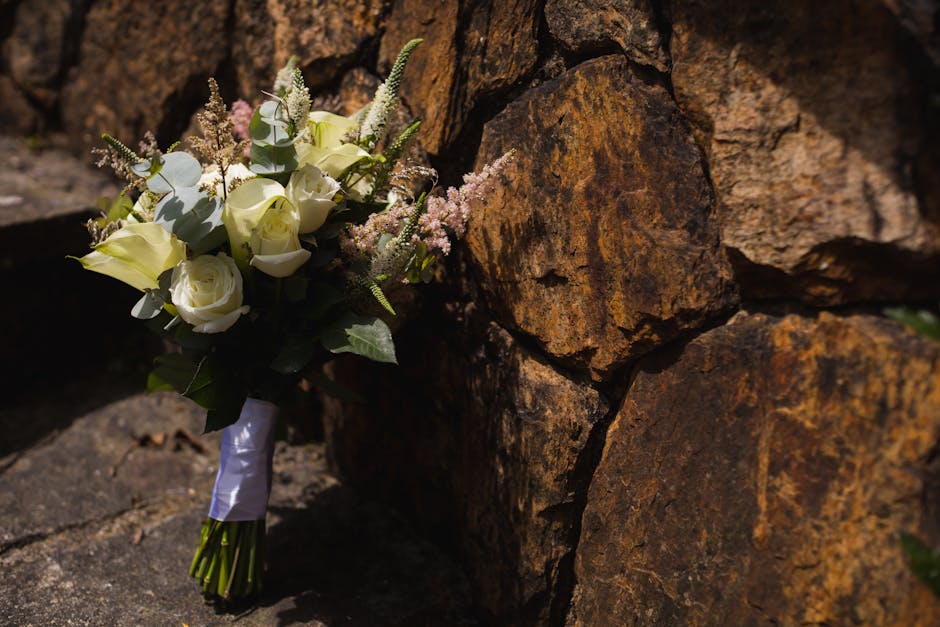
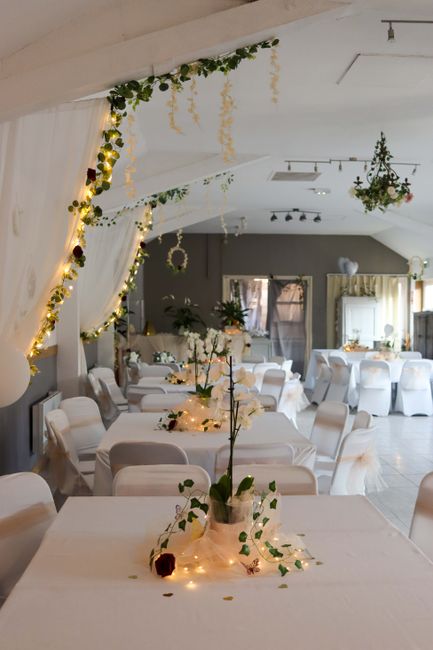
After: the bridal bouquet gave the photographs a focal point, the buttonholes tied the wedding party together, and the table arrangements softened the hard edges of the room. The result felt warm, polished, and unmistakably celebratory. Not overdone. Just right.
The practical win came from using coordinated pieces rather than separate disconnected designs. The couple had a bouquet, bridesmaid bouquets, and table flowers that all belonged together visually. Because the flowers were planned for the venue rather than copied from a generic wedding photo, the final look felt more natural. And yes, the room suddenly looked like it had been waiting for them all along.
This is where a good florist earns their keep. The flowers are not just decorative; they solve the visual problem of the space.
Practical Checklist
Use this checklist to keep your flower planning grounded and realistic.
- Confirm the wedding date, ceremony time, and venue access window.
- List every floral item needed: bouquet, bridesmaid bouquets, buttonholes, table arrangements, and any extras.
- Decide the mood: romantic, modern, classic, minimal, or fuller floral impact.
- Choose a colour palette that works in the venue lighting.
- Ask about setup, collection, and who handles movement between spaces.
- Check whether the arrangements need to last for the full day or only part of it.
- Make sure there is a clear contact person on the wedding day.
- Review product examples and read delivery or guarantee details.
- Keep a backup plan for weather, timing changes, or delayed access.
- Double-check the order details a few days before the wedding.
Expert summary: The best Golden Lane Estate floral jobs are the ones that fit the architecture, support the photography, and make setup feel calm. If the flowers look stunning but create stress, the job is not really finished. The real win is beauty plus ease. Simple as that.
Get a free quote today and see how much you can save.
Conclusion
Golden Lane Estate wedding flowers are at their best when they are designed as part of the venue experience, not just added on top. The real before-and-after difference comes from thoughtful planning: choosing the right scale, using flowers that suit the space, and making sure the arrangements help the day flow smoothly. That is what turns a nice room into a proper wedding setting.
If you are comparing options, keep your eye on practicality as much as style. Ask how the bouquet will hold up, how the room will look after setup, and how the flowers will move through the day. The prettiest arrangement in the world is no use if it arrives late or does not suit the space.
When the job is done well, the flowers feel effortless. Guests notice the warmth, the photographs look richer, and the couple gets to enjoy the day without fuss. And really, that is the point. Quietly lovely, well thought out, and a little bit magical when it all comes together.
Frequently Asked Questions
What does "Golden Lane Estate wedding flowers real job before and after" actually mean?
It usually refers to seeing the floral setup in its bare state before installation and then seeing the finished result after the florist has styled the venue. It is a practical way of understanding transformation, not just decoration.
How many flower arrangements do I need for a Golden Lane Estate wedding?
That depends on your budget, guest count, and how much of the venue you want to dress. Some couples only need bouquets and a few focal arrangements, while others want ceremony, table, and entrance flowers too.
Can wedding flowers work in a modern venue like Golden Lane Estate?
Yes, absolutely. In fact, modern architecture often looks better with flowers that have clean shape, careful texture, and controlled colour. The trick is not to overcrowd the space.
What flowers are best for a venue transformation?
Reliable favourites include roses, lisianthus, orchids, hydrangea, alstroemeria, and seasonal greenery. The best choice depends on the look you want, the time of year, and how long the flowers need to last.
How early should I book a wedding florist?
As early as you comfortably can. Popular dates go quickly, and early booking gives you more time to refine the design, budget, and logistics without rushing.
What is the difference between a bridal bouquet and table arrangements?
The bridal bouquet is the hand-held floral piece carried by the bride. Table arrangements are the flowers placed on reception tables or other surfaces to shape the room visually.
Can flowers be reused from the ceremony to the reception?
Often yes. Reusing arrangements can be a smart way to get more value from the flowers, as long as the design and schedule allow for safe movement.
How do I keep wedding flowers fresh all day?
Keep them cool, hydrated, and out of direct heat where possible. A florist should also condition the stems properly before delivery. Good handling makes a bigger difference than people think.
Are same-day flower options suitable for weddings?
Sometimes for small additions, but for wedding work it is usually better to plan ahead. Same-day delivery can help with last-minute needs, though it is not the ideal route for a full wedding floral brief.
What should I ask my florist before booking?
Ask about delivery timing, setup, collection, flower choices, substitution policy, and whether they have experience with your venue style. Those questions tell you far more than a polished social media feed ever will.
Do I need to follow any special rules at the venue?
You should always check venue access, setup permissions, and collection arrangements. Some spaces have rules about deliveries, loading, or leaving items overnight, so it is best to confirm everything in advance.
Is a bigger floral display always better?
No. Bigger can be beautiful, but only if it suits the room and the budget. A well-placed, well-made arrangement usually has more impact than a lot of random flowers scattered around.
How can I make my wedding flowers look more luxurious without overspending?
Focus on strong focal pieces, repeat the same colour palette, and avoid too many different flower types. Consistency usually looks more expensive than clutter ever will.


